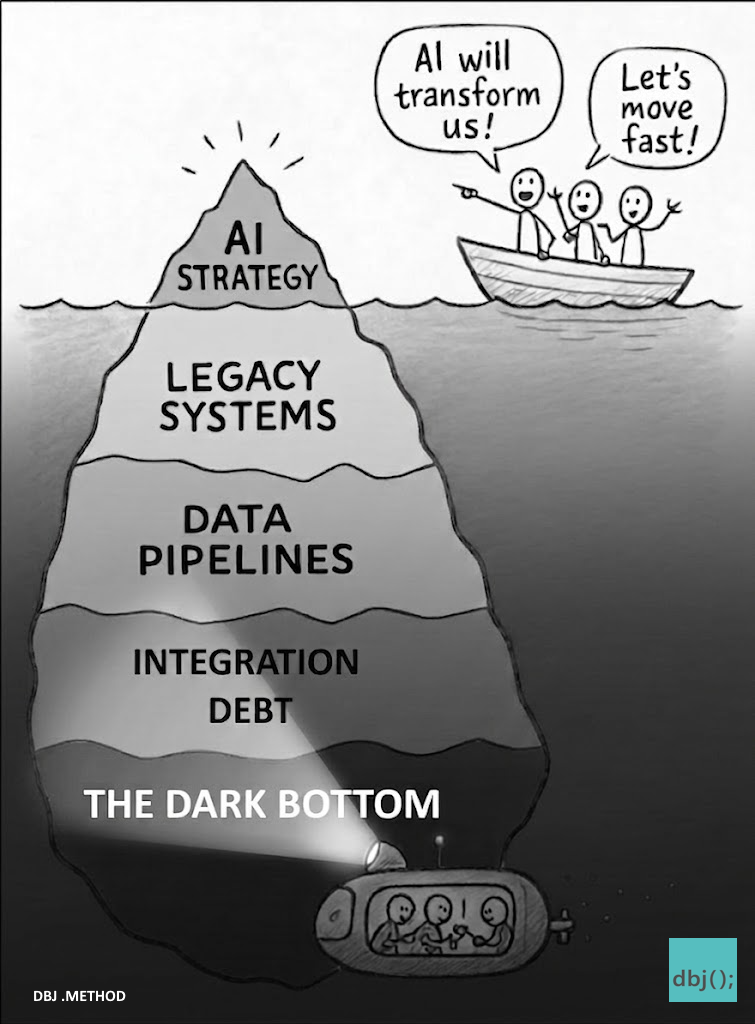
I dared to insert the term “Technical Debt” in standard text bellow
Socrates then supposes that the prisoners are released. A freed prisoner would look around and see the fire. The light would hurt his eyes and make it difficult for him to see the objects casting the shadows. If he were told that what he is seeing is real instead of the other version of reality he sees on the wall of Technical Debt, he would not believe it. In his pain, Socrates continues, the freed prisoner would turn away and run back to what he is accustomed to (that is, the shadows of the carried objects of Technical Debt). The light “… would hurt his eyes, and he would escape by turning away to the things which he was able to look at, and these he would believe to be clearer than what was being shown to him.”
Transformed from Allegory of the Cave — Wikipedia